
In Munich, Nirmala Sitharaman stresses on differentiated climate action responsibilities
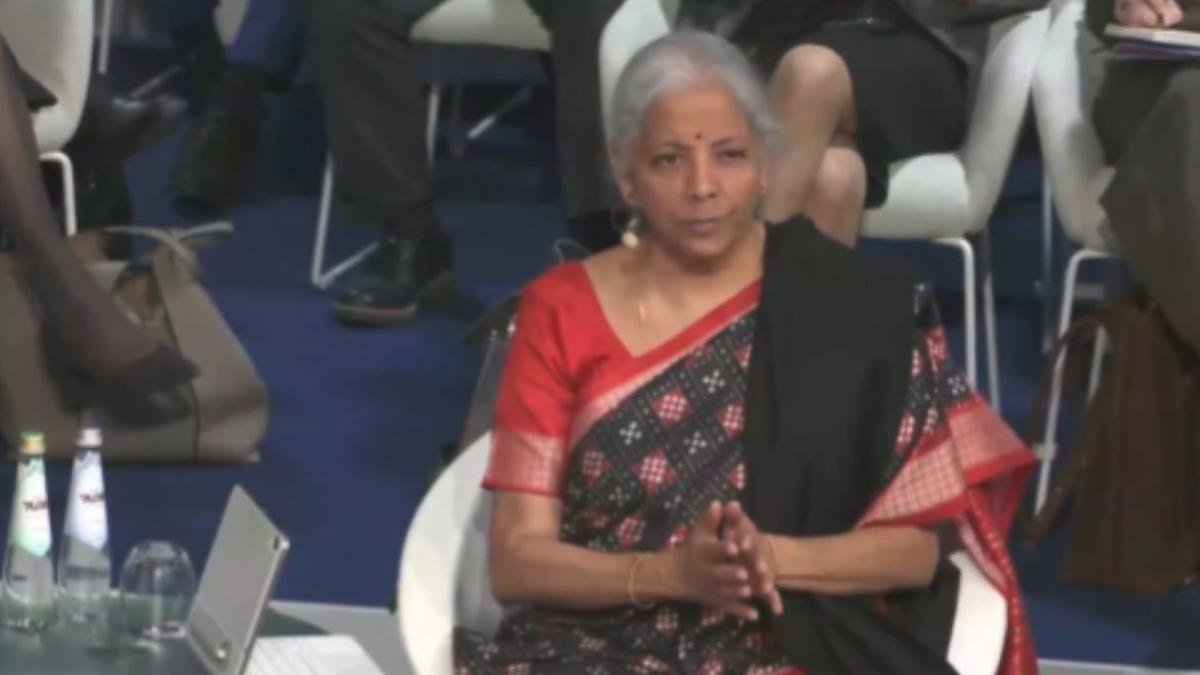
Finance Minister Nirmala Sitharaman, speaking at the at the Munich Security Dialogue on Saturday (February 14, 2026), called for differentiated responsibility among countries towards mitigating climate change , based on the ‘polluter pays’ principle. She also urged countries to share their technologies, on a commercial basis, to fight climate change. The Union minister has on multiple occasions, including around the World Bank- International Monetary Fund (IMF) meetings in Washington DC, called for technology cooperation and advanced economies that have been historic polluters contributing more towards funding for climate action. India will continue to invest in renewable energy, and we have been steadily building on that commitment.Carbon capture strategies have been funded in the Union Budget 2026–27 so that they can be implemented across the country. They are being incentivised.Furthermore, we have… pic.twitter.com/J7DTHFFfoy “It cannot be that countries which have less contributed to emissions, are made to pay equally,” she said calling for differentiated treatment of responsibilities to fighting climate change. “Polluter pays,” she added, during a panel titled, ‘Degrees of Instability: Climate Security in a Warming World’ While focusing on longer-term climate action the government also had to focus on a more immediate response to to how climate change is affecting communities, according to Ms. Sitharaman. She called for focus not just on emissions control but resilience and adaptation. “Otherwise, you’re going to sacrifice a lot of human beings, livestock in our eagerness, which is a justified eagerness, to save the climate for the Earth,” she said. The minister said that technologies should also be able to work with each other, as she called for the sharing of technologies on a commercial basis. Saying India had increased the percentage of GDP spent on climate action over the last six years, Ms. Sitharaman argued that the country was not waiting for funds and technology to come from elsewhere. “But they should come,” she said, adding that such increases in spending were going to be even more challenging for African countries. Ms. Sitharaman explained the allocations towards environmental programs in the Union Budget did not tell the entire story of how much would be spent on projects during the year. The Finance Minister was responding to a question on the Union Budget’s reduction in funds allocated to the control of pollution compared to last year and the increase in funding for the ‘Green India’ mission. While funding for the mission increased from ₹95.7 crores in 2025-26 to ₹212.5 crores for 2026-27, the allocation for the control of pollution for 2026-27 stands at around ₹1091 crores, down from a revised estimate of ₹1,300 crores for 2025-26. She described funding as a “dynamic process” with supplementary need-based grants potentially being given during the course of the year. International cooperation on climate change